The Lasso An Essential Tool for the American Cowboy

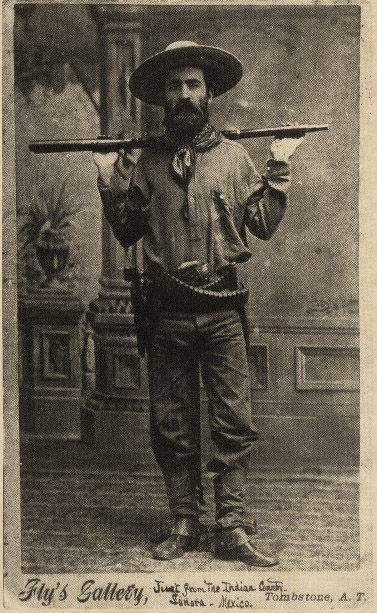
Then we picture a cowboy in the American Old West we often a wide-brimmed hat, a horse, a six-shooter, and a coiled rope hanging from the saddle. That rope, commonly called a lasso, was one of the most important tools a working cowboy carried.
Unlike a revolver, which became the symbol of the Wile West through dime novels and Hollywood movies, the lasso was a practical tool used almost daily of cattle ranches and along the great cattle trails.

The Lasso's history in the American West began long before the famous cattle drives of the 1870's and 1880's. Spanish and Mexican horseman, know as vaqueros, developed sophisticated roping techniques for handling cattle on horseback. Their skills and equipment greatly influenced the American cowboy.
The Word "lasso" comes from the Spanish word lazo, meaning a loop of snare. Cowboys also commonly called their ropes lariats, a team derived from the Spanish La reata.
By the mid-1800's, roping had become an essential skill throughout the cattle country of Texas, New Mexico, and California.
Cowboys used roped made from several materials, depending on the region and what was available.
Rawhide: One of the more traditional materials used by vaqueros was braided rawhide. These ropes were strong and durable by required considerable skill to make and maintain.
Hemp: Hemp rope was another practical choice. It was strong, flexible, and widely available.
Manila: Made from fibers of the abaca plant, manila rope became popular becasue of its strength and handling qualities.
The lasso served several important purposes on the open range. Roping required patience, accuracy, and a well-trained horse. A skilled cowboy needed to judge the animal's movement, throw the loop correctly, and control the rope once the animal was caught.
Ranches had hardworking cattlemen whose daily lives, far removed from the famous gunfights taking place in towns, depended on horses, saddles, and ropes to manage livestock across the open country. For these men, a reliable rope was often more useful that a revolver.
A cowboy did not become an expert roper overnight. Learning to handle a lasso required practice. The cowboy had to form a proper loop, swing the rope smoothly, and release it at a precisely the right moment.
Equally important was the horse. A dependable cow horse (also known as a working cow horse or reined cow horse) needed to respond quickly to its rider and remain steady when working cattle. The relationship between the horse and its rider made successful roping possible.

Today, the lasso remains one of the most recognizable symbols of the American cowboy.
This tradition, passed down by Spanish and Mexican vaqueros, has been inherited by generations of ranch workers throughout the American West. The lasso was more than just cowboy gear; it was a crucial tool in the cattle industry and represented the skill, patience, and hard work needed to endure life on the open range.
The cowboy's six-shooter might have brought him fame, but it was the rope that helped him make a living.